There's something quietly powerful about walking into a minimalist bedroom with white furniture. The air feels lighter. The mind slows down. Every object earns its place. If you've been dreaming of a clean, clutter-free sanctuary built around neutral tones, intentional decor, and the timeless simplicity of white furniture, this guide is your starting point. Whether you're working with a compact apartment bedroom or a spacious room that needs a reset, the minimalist white aesthetic is endlessly adaptable — and deeply rewarding to live in.
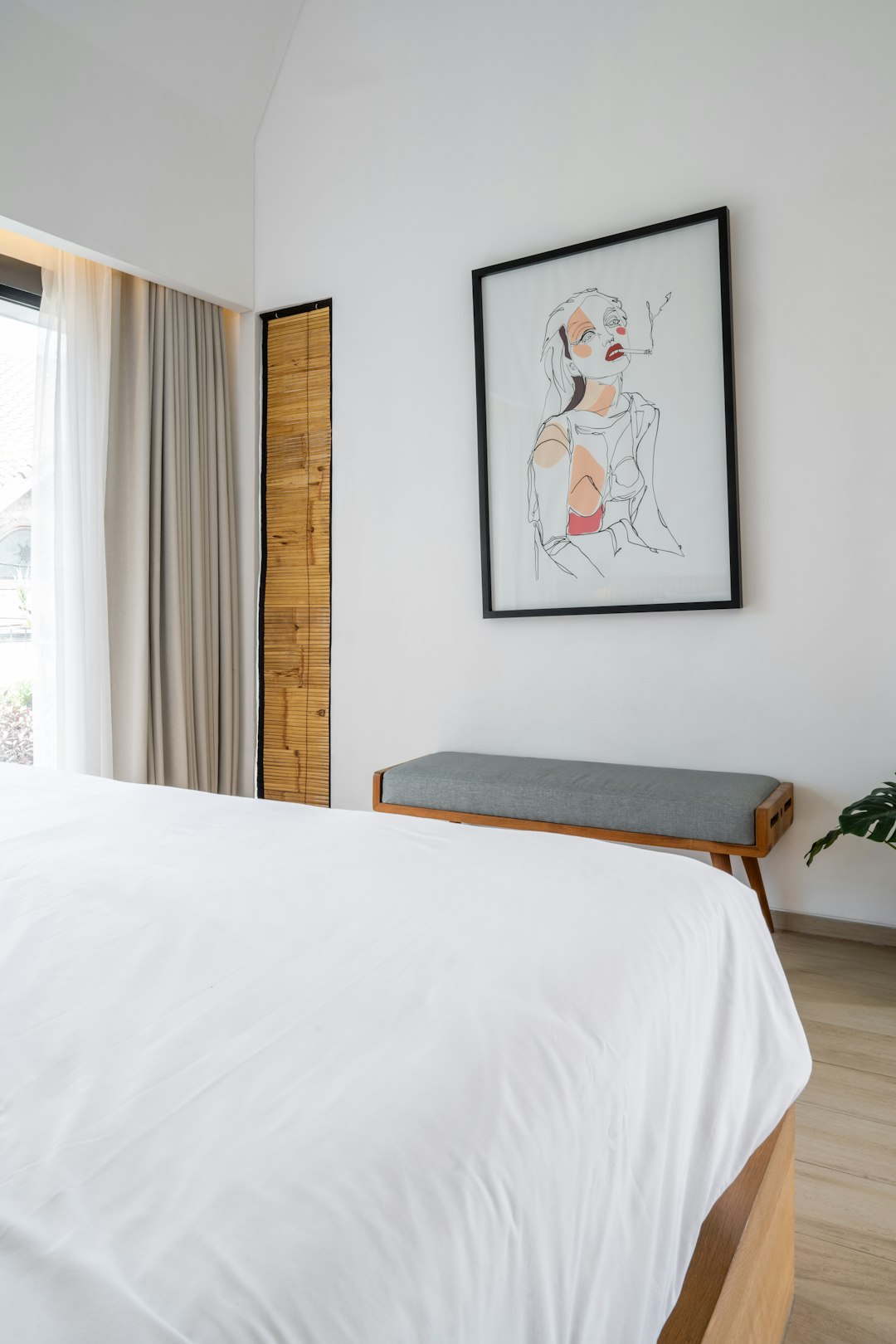
Defining the Minimalist White Bedroom Style
Minimalism isn't about emptiness — it's about intention. In a white furniture bedroom, every piece you choose should serve a purpose, carry visual weight, or bring genuine calm. The style draws from Scandinavian simplicity, Japandi restraint, and modern clean-line design principles. Think low-profile furniture, uncluttered surfaces, and a palette that barely whispers.
The defining characteristics of this aesthetic include:
- White or off-white furniture with clean, straight lines or soft curves
- A neutral base palette of whites, creams, warm beiges, and soft greiges
- Minimal decorative objects — each one chosen deliberately
- Natural materials like linen, cotton, light oak, and matte ceramics
- Negative space used as a design element, not an oversight
"A minimalist room doesn't feel bare — it feels breathable. Every surface left empty is a gift to your nervous system."
The result is a bedroom that feels like a boutique hotel suite — polished yet personal, restful yet refined.
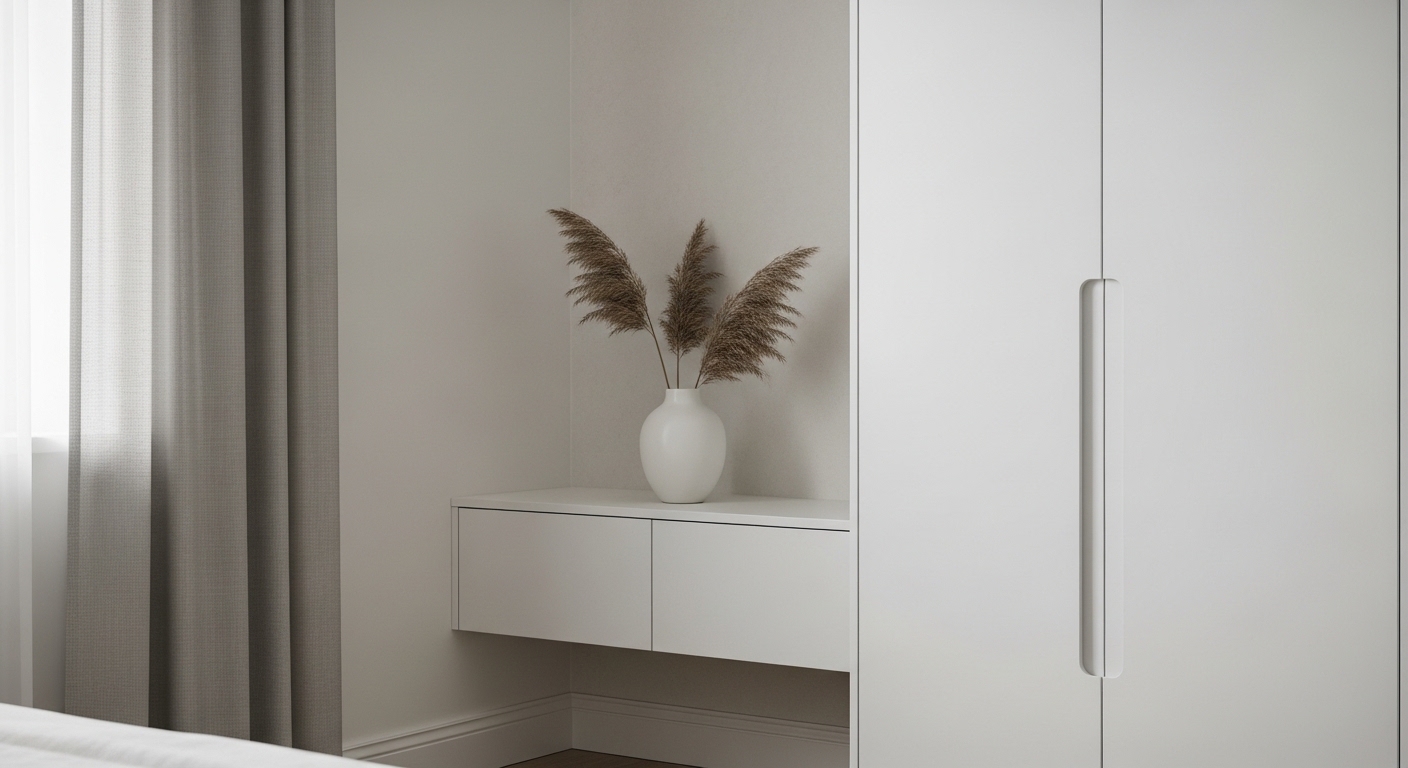
Best Color Combinations for a White Bedroom
White furniture is the ultimate neutral canvas — but the colors you layer around it determine whether your room feels cold and clinical or warm and inviting. The key is to build a tonal palette rather than introducing strong contrasts.
These combinations work beautifully with white furniture:
- White + Warm Greige: Paint walls in a warm greige (grey-beige) to add depth without disrupting the calm. This is the most forgiving and universally loved pairing.
- White + Soft Sage: A muted sage green introduces organic warmth and pairs effortlessly with white lacquer or white-painted wood furniture.
- White + Warm Taupe: Taupe bedding, curtains, or a jute rug grounds the room and prevents the all-white palette from feeling sterile.
- White + Blush: A barely-there blush adds femininity and softness without competing with the furniture's clean lines.
- White + Charcoal Accents: A single charcoal throw, black matte lamp base, or dark-framed artwork creates striking contrast while keeping the room minimal.
Avoid introducing more than two accent colors. In minimalist design, restraint is the most powerful styling tool you have.
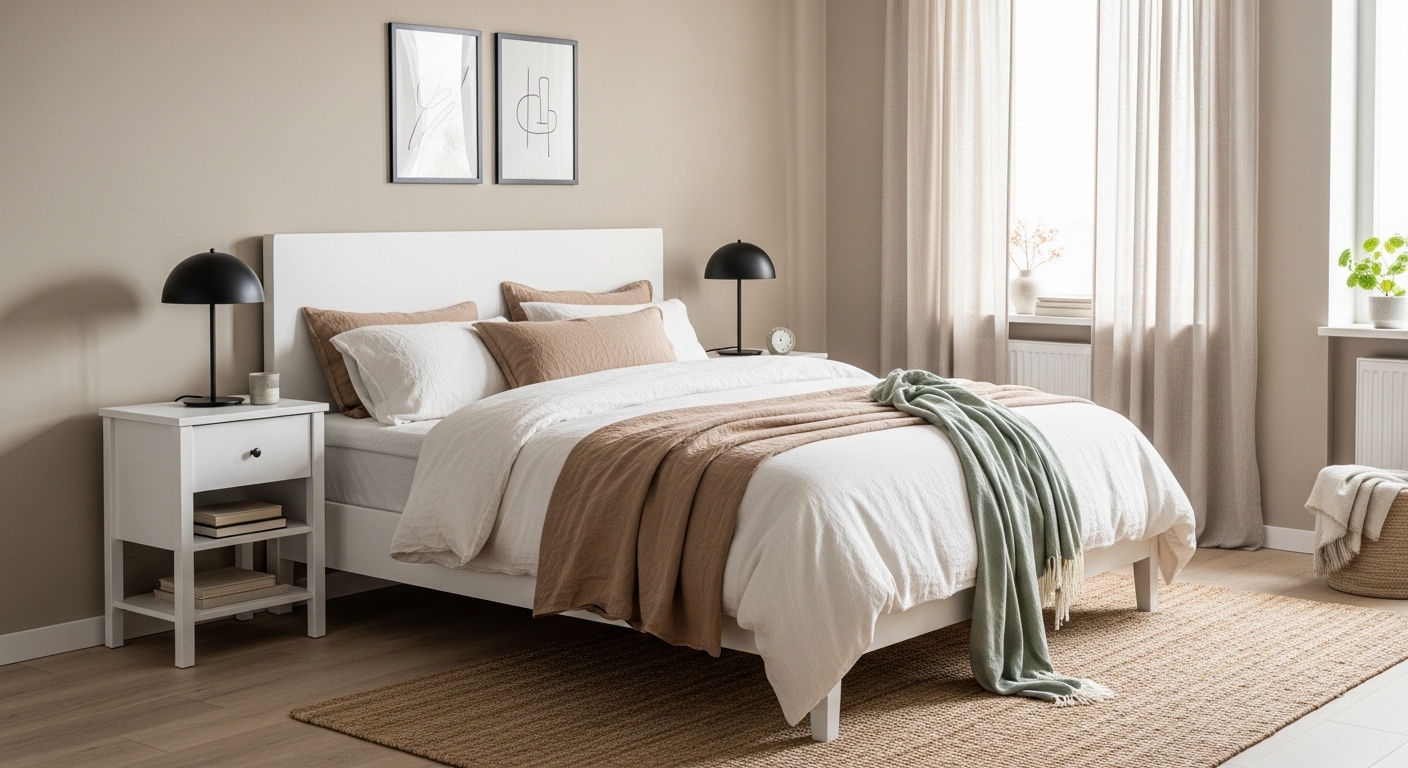
Furniture & Materials That Define the Look
Choosing the right furniture shapes and materials is what separates a truly cohesive minimalist bedroom from a room that just happens to have white furniture. The silhouettes matter as much as the color.
Look for these furniture characteristics:
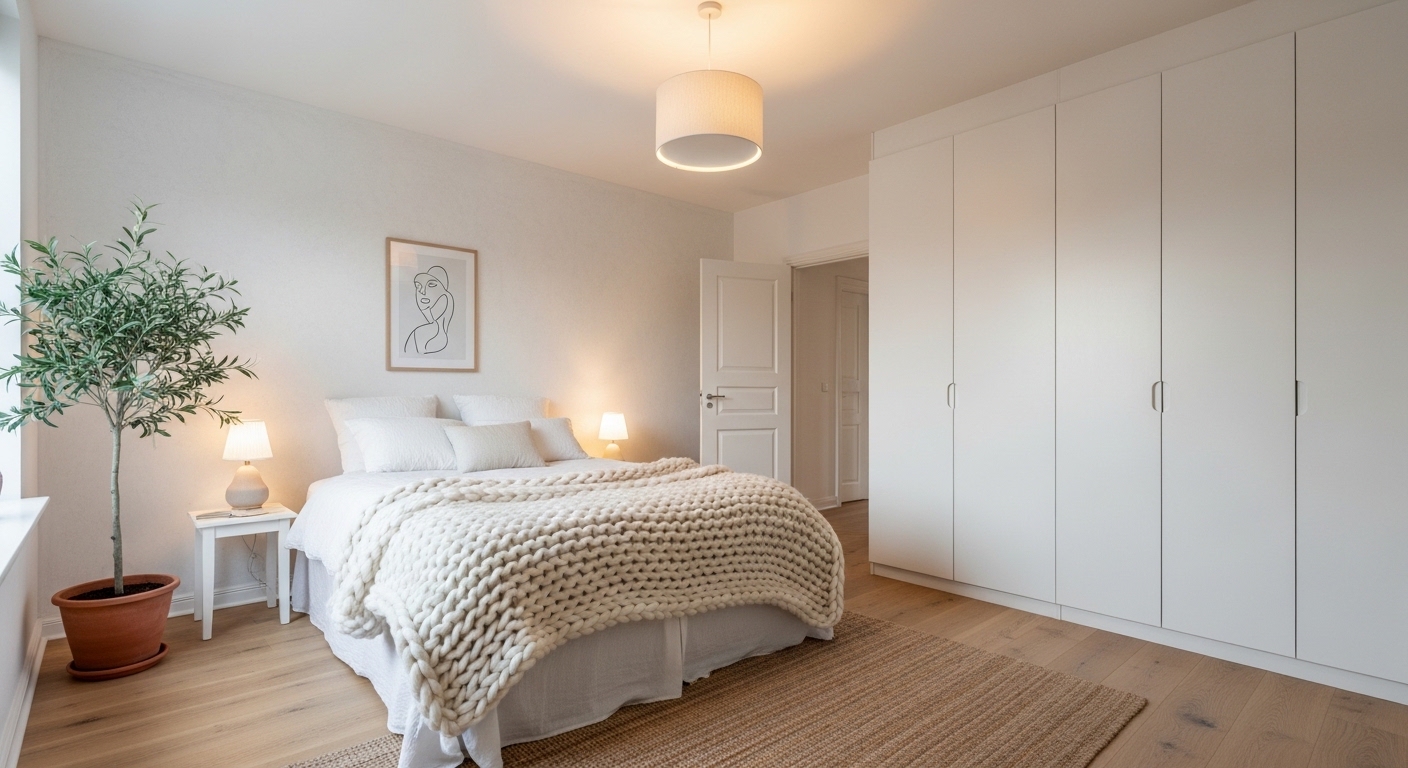
- Low-profile platform beds: A bed frame that sits close to the floor elongates the room visually and reinforces that grounded, calm energy.
- Handle-free or recessed-handle storage: Drawers and wardrobes with integrated or hidden handles keep surfaces visually clean.
- Rounded edges: Soft curves on bedside tables or dressers add warmth and prevent the room from feeling too rigid or corporate.
- Mixed white tones: Don't be afraid to mix pure white with off-white or cream — the variation adds depth and prevents flatness.
For materials, lean into natural textures that complement white furniture:
- Linen and cotton for bedding and curtains
- Light oak or ash wood for flooring and accent pieces
- Matte ceramic for vases, trays, and lamp bases
- Woven rattan or jute for rugs and baskets
- Brushed brass or matte black for hardware and light fixtures
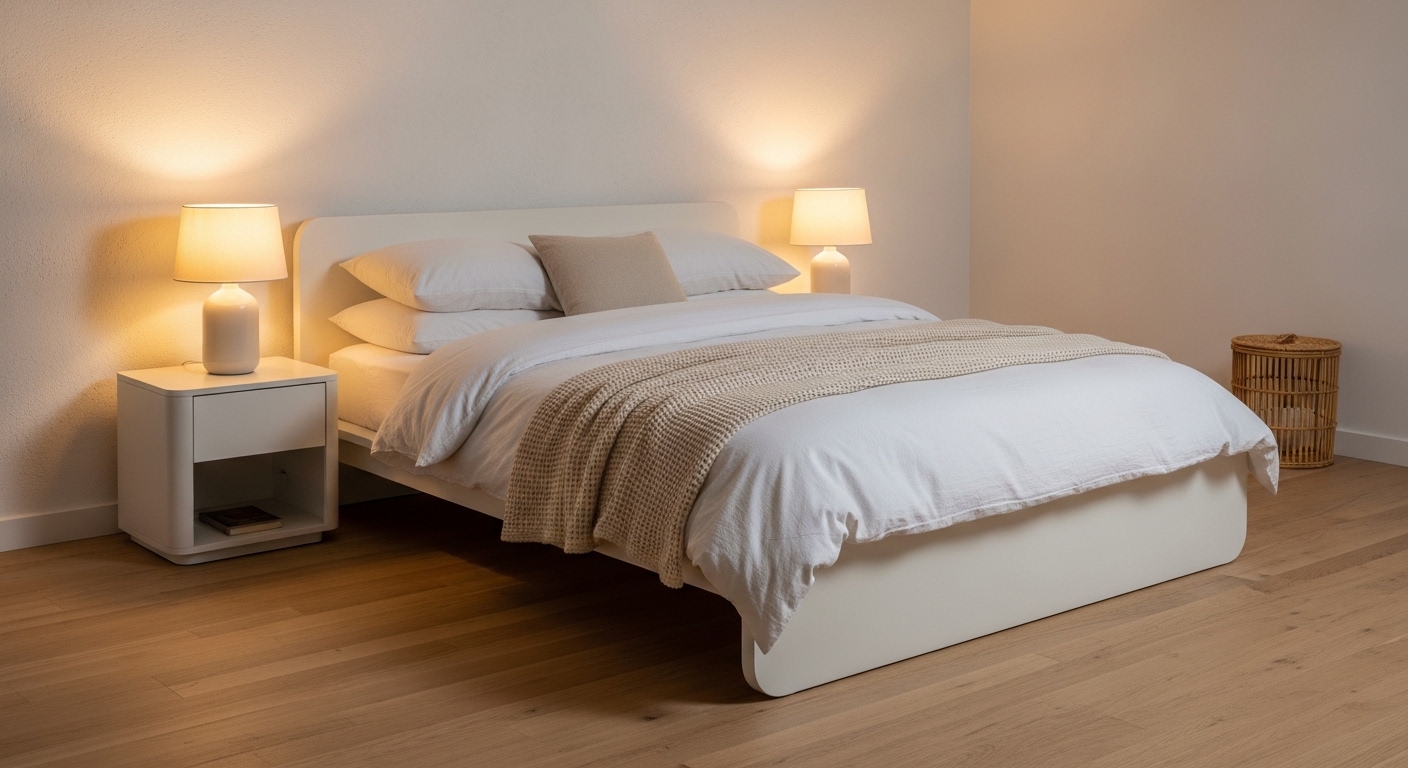
Decor Accessories That Elevate Without Cluttering
In a minimalist white bedroom, accessories are the punctuation marks of the design — used sparingly, they give the room personality. Used excessively, they undermine everything. The golden rule: if it doesn't add visual interest or serve a function, it doesn't belong on the surface.
Curate your accessories with these principles in mind:
- One statement plant: A single fiddle-leaf fig, monstera, or olive tree in a matte white or terracotta pot brings organic life without visual noise.
- Layered textiles: Stack pillows in varying textures — a smooth cotton sham, a linen euro pillow, a knitted cushion — to create depth on the bed.
- Minimal wall art: One or two pieces in thin frames, hung at eye level, is more impactful than a gallery wall in this aesthetic.
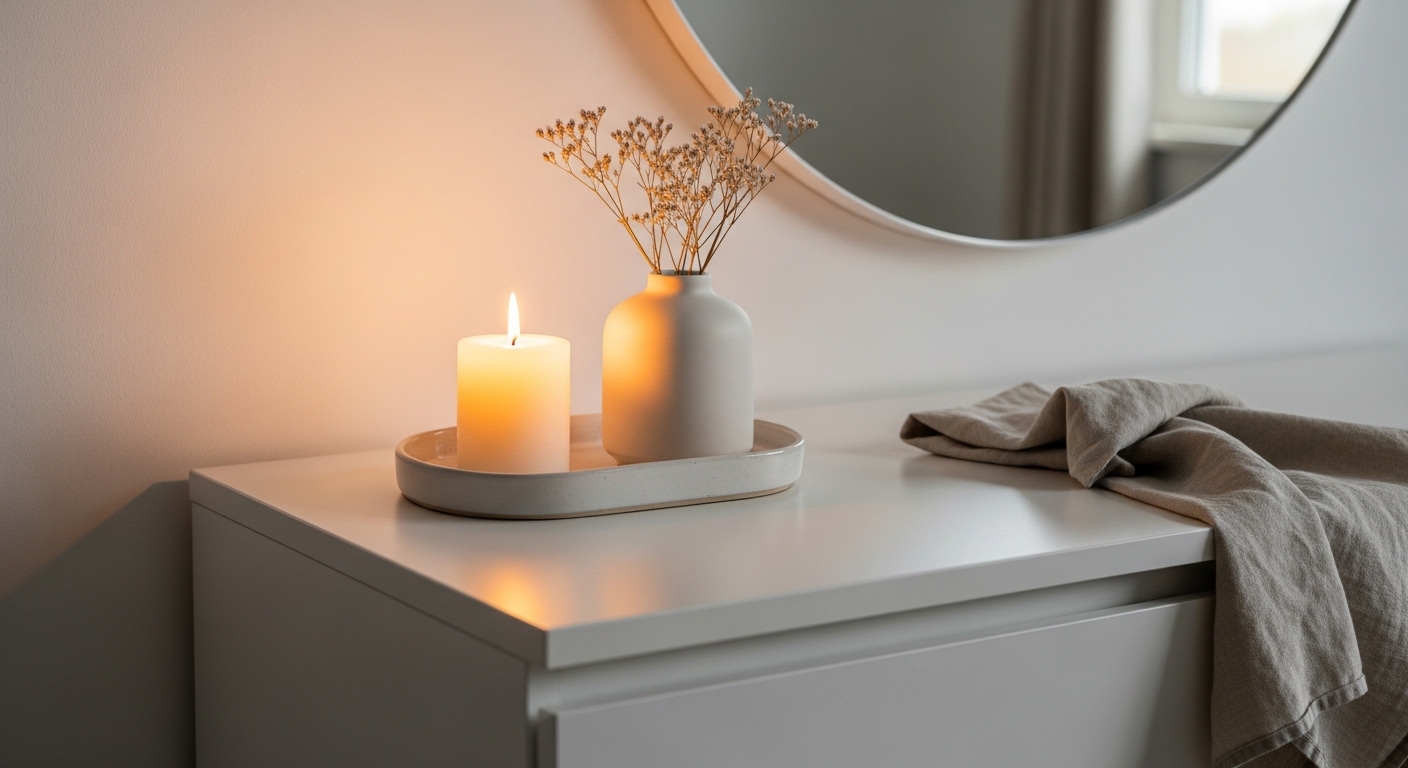
- A single tray on the dresser: Corral small items — a candle, a small vase, a perfume bottle — on one tray to keep surfaces organized and intentional.
- Mirrors: A leaning full-length mirror or a simple round mirror amplifies light and adds dimension without adding visual clutter.
The most beautiful minimalist bedrooms often feel like they have fewer things than they actually do — because every item is placed with purpose.
Lighting & Atmosphere in a White Bedroom
Lighting is the invisible decorator. In a white furniture bedroom, it determines whether the room glows warmly or feels flat and washed out. The goal is layered lighting — multiple sources at different heights that you can adjust to suit the mood.
Build your lighting plan around three layers:
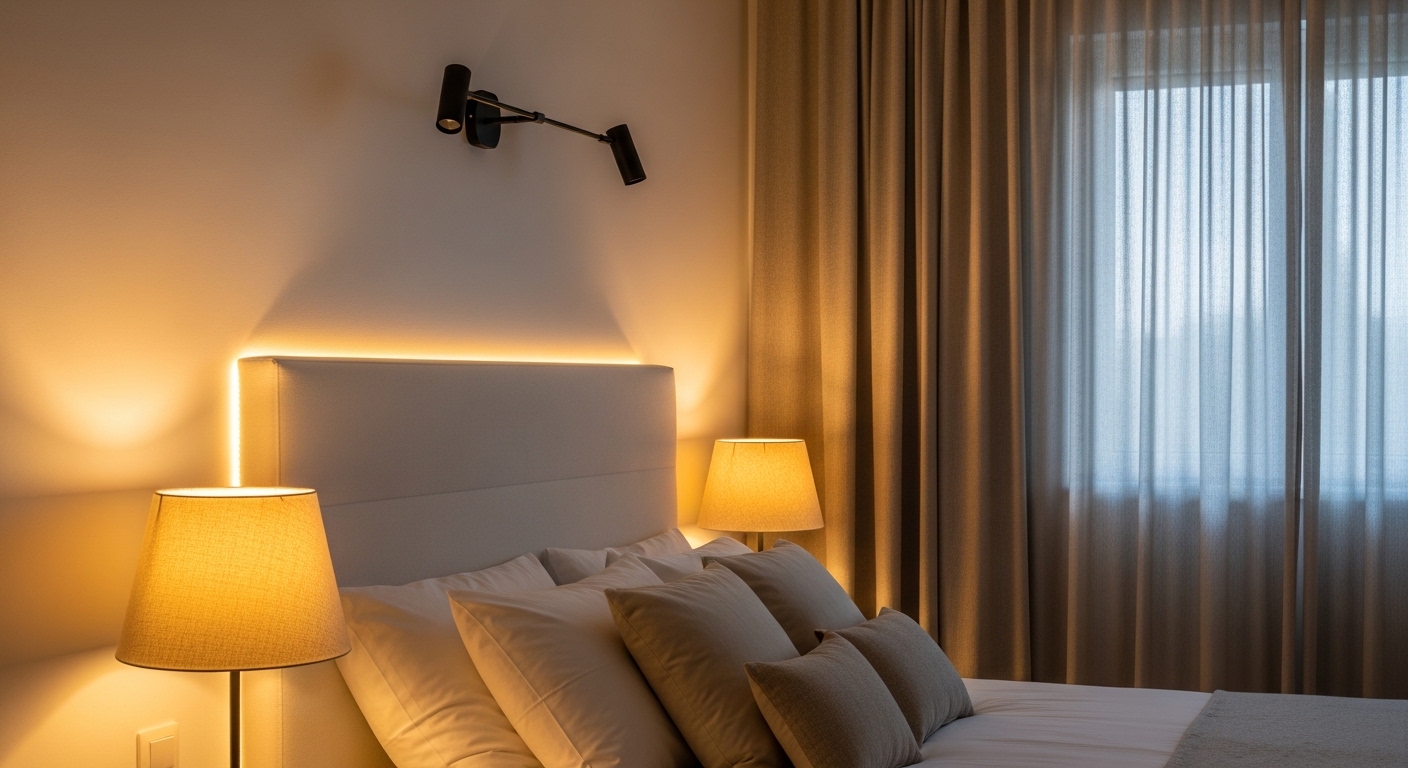
- Ambient light: Soft overhead lighting, ideally on a dimmer. Avoid harsh cool-white bulbs — opt for warm white (approximately 2700K–3000K) to keep the room feeling cozy rather than clinical.
- Task lighting: Bedside table lamps or wall-mounted sconces for reading. Linen or paper shades diffuse light beautifully and complement the natural material palette.
- Accent lighting: A string of warm LED lights tucked behind a headboard, or a small lamp on a low shelf, adds depth and a soft glow that makes white walls feel luminous rather than stark.
Natural light is equally important. Sheer linen curtains allow daylight to filter through softly while maintaining privacy — they're one of the most transformative and affordable upgrades in a minimalist white bedroom.
Common Mistakes to Avoid in a White Furniture Bedroom
The minimalist white aesthetic is forgiving in many ways — but a few missteps can quickly make the room feel cold, flat, or unfinished. Here are the most common pitfalls, ordered by how often they derail an otherwise beautiful space:
- Using only one shade of white: A room where the walls, furniture, bedding, and curtains are all the exact same white can look sterile. Vary your whites — mix warm whites, off-whites, and creams for a layered, lived-in feel.
- Neglecting texture: Without color contrast, texture becomes your most important design tool. A flat, textureless white room feels empty rather than minimal. Layer linen, cotton, knit, ceramic, and wood.
- Skipping the rug: Hard floors in an all-white room can feel cold and echo-y. A natural jute, wool, or low-pile rug anchors the space and adds warmth underfoot.
- Over-accessorizing: The impulse to fill empty surfaces is strong — resist it. In minimalist design, negative space is intentional and valuable.
- Using cool-white lighting: Cool LED bulbs turn white rooms blue and clinical. Always choose warm white bulbs to maintain that soft, inviting glow.
- Ignoring storage: Minimalism requires a home for everything. Without adequate hidden storage, clutter accumulates on surfaces and the aesthetic collapses entirely.
A minimalist white bedroom isn't a destination — it's a practice. It asks you to be thoughtful about what you bring into your space, and generous with what you let go. When you get it right, the room becomes more than a place to sleep. It becomes a daily reset. A visual exhale. A space that genuinely restores you.
Start with one change — a new set of linen bedding, a cleared nightstand, a warm-toned bulb in your lamp. Let the simplicity build gradually, and trust that less, done beautifully, will always feel like more.
Comments
Post a Comment